
Exploring the psychology behind casino gambling experiences
The Allure of Risk: Why People Gamble
The thrill of risk is a fundamental aspect of human behavior. In the context of casino gambling, this allure often stems from the potential for substantial financial gain coupled with the excitement of uncertainty. Many individuals are drawn to the adrenaline rush that accompanies placing bets, which can create a euphoric experience. This sensation can be addictive, making it a central component of why people frequent casinos, often despite the known odds stacked against them. For enthusiasts of gaming practices, exploring betting sites online can be quite revealing about their preferences and habits.

Moreover, the psychology of gambling often reflects deeper emotional and psychological needs. Individuals may seek escapism from everyday stresses or a sense of control over their luck and fate. Casinos are designed to enhance these feelings with bright lights, engaging sounds, and a lively atmosphere, creating an environment where players can temporarily forget their problems.
The Role of Cognitive Biases in Gambling
Cognitive biases play a significant role in shaping gambling behavior. One of the most prevalent is the illusion of control, where gamblers believe they can influence the outcome of games of chance, such as slot machines or roulette. This false sense of control can lead players to take greater risks, further entrenching them in the gambling experience.
Another common bias is the availability heuristic, which causes individuals to remember and overestimate their wins while downplaying losses. This skewed perception can create a feedback loop where players continue to gamble, convinced they are on the verge of another win, thus perpetuating their engagement with gambling activities.
Emotion Regulation and Gambling Behavior
Gambling is often used as a tool for emotion regulation. Many individuals utilize casino experiences to cope with feelings of boredom, anxiety, or depression. The highs and lows of gambling can give players a rush, allowing for temporary relief from negative emotions. This emotional rollercoaster can be particularly appealing to those seeking excitement or distraction.
Moreover, the social aspect of gambling adds another layer to this dynamic. Engaging in gambling activities with friends or other players can foster a sense of community and belonging, which is especially attractive for individuals feeling isolated. This social interaction can enhance the overall gambling experience, making it more about the connections formed than the money wagered.
The Impact of Environment on Gambling Decisions
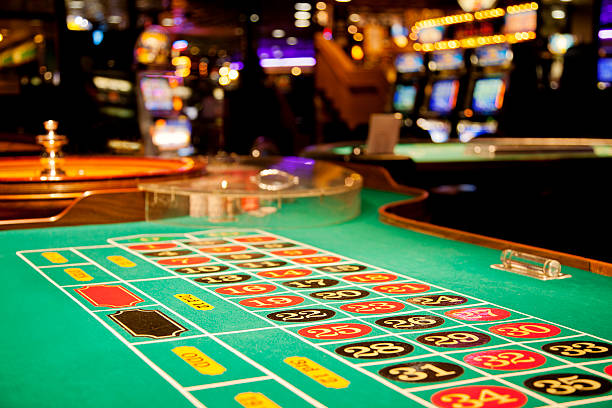
The physical environment of a casino significantly influences gambling behavior. Casinos are meticulously designed to create an immersive experience, featuring elaborate decorations, enticing lighting, and strategically placed gaming tables. These design elements are intended to keep players engaged longer, encouraging them to gamble more than they initially planned.
Research suggests that the layout of a casino also impacts decision-making processes. For instance, the proximity of slot machines to high-traffic areas can lead to impulsive gambling decisions. Players may find themselves drawn into the gaming experience due to the stimulating atmosphere, making it challenging to maintain a sense of budget or time.
Navigating Information and Resources on Gambling Psychology
Understanding the psychological dynamics of gambling can be enlightening for those seeking to navigate their own experiences or assist others. This website provides a wealth of information and resources tailored to individuals curious about the complexities of casino gambling behavior. By fostering a better understanding of the psychological factors at play, users can make more informed decisions regarding their gambling activities.
For those interested in delving deeper into the world of casino psychology, we encourage you to explore additional content available here. Whether it’s identifying personal motivations for gambling or recognizing the impact of cognitive biases, this platform aims to support users in their journey toward a healthier relationship with gambling.

